Previous Student Paper Competition Winners


2026
1st Place:
Historical Urban Development Patterns in FEMA-designated and Undesignated Flood Zones: A Case Study of Greater Houston, Texas
Sophiya Gyanwali (Arizona State University)
2nd Place:
Beyond the 100-Year Floodplain: A Spatial Screening Framework for Unmapped Flood Risk and Mitigation Prioritization in West Virginia
Nazma Ahmed (West Virginia University)
3rd Place:
Post-Fire Debris Flows in Los Angeles: Closing the Communication Gap
Sanjana Roy (University of California, Berkeley)


2025
1st Place:
Phone-Based Turbidity Monitoring for Early Detection of Water Contamination in Floodplain Communities
Lindsey Pegram (University of North Carolina at Chapel Hill)
2nd Place:
Pathways to Flood-Resilient Development in the Philippines: Governance and Religion
Hinako Sugawara (George Washington University)

2024
1st Place:
2017 Coyote Creek Flood at the Intersection of Homelessness and Water Management
Hanji Xu (University of California, Berkeley)
2nd Place:
Assessing residential property values at risk to federally-overlooked flooding: the case of Utah
Austin Clark (University of Utah)
3rd Place:
The Levee Effect and Residual Risk in Sacramento, California: Have we been good or lucky?
Kelly Lelani Main (University of California, Berkeley)
2023
1st Place:
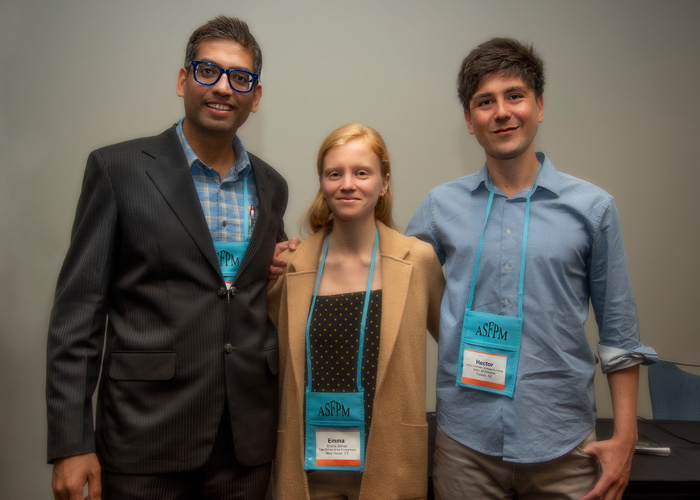
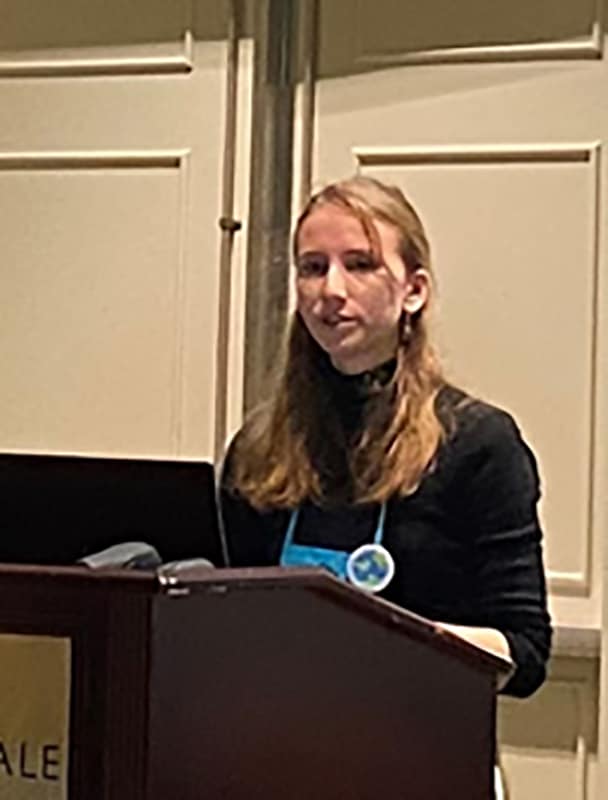
Paying for flood mitigation at industrial sites: Review of federal funding and local solutions
Emma Zehner (Yale University)
2nd Place:
A GIS Tool for Assessing Community Susceptibility to Flash Flooding
Rohan Singh Wilkho (Texas A&M)
3rd Place:
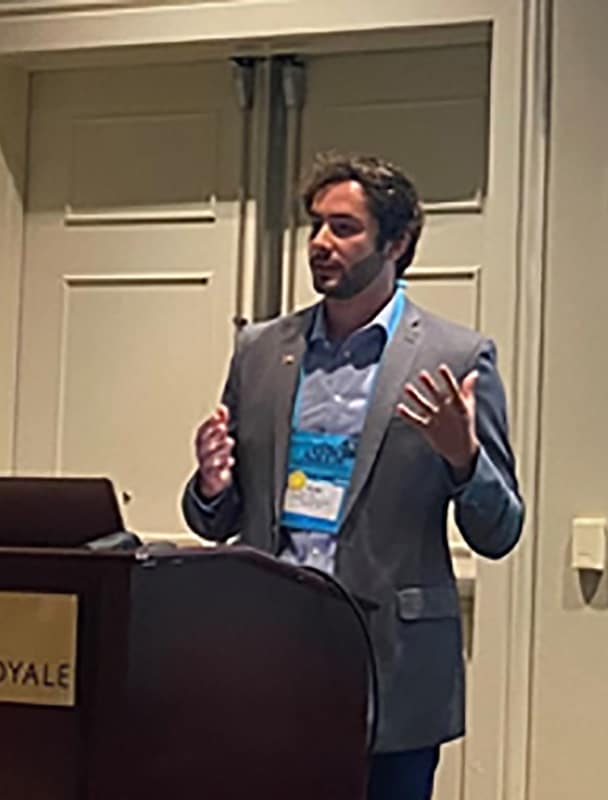
Creating Global Flow Maps using Machine Learning and Free Remote Sensing Data: A Novel Approach and Application in Unmapped Areas
Hector L. Venegas Quinones (University of Arizona)
2022
Winner:
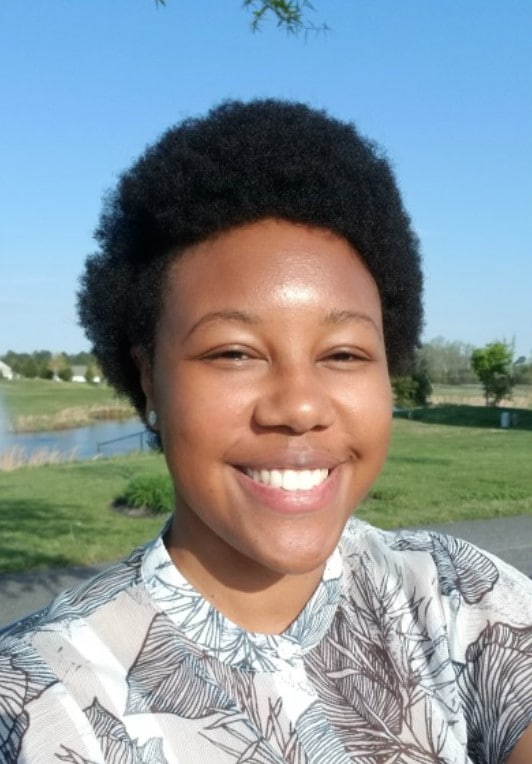
Threshold-Based Planning for Westport, WA: A Case Study
Grace Morris (University of Washington)
Winner:
Exploring the Relationship Between Public & Private Flood Responses
Kyle Julle (Northern Arizona University)

2021
Winner:
Detecting Coherent Floods in the Northeast United States for Flood Risk Management
Equisha Glenn & Naresh Devineni (The City College of New York)
Winner:
Using Historical Information to Inform Planning for Floods after Fires
Ying Chik (Vanessa) Lee et al. (UC – Berkeley)

2020
Winner:
Modeling the Downstream Consequences of the 1976 Teton Dam Failure and Resulting Flood by Validating the GeoClaw Software with Historical Data
Hannah Spero & Donna Calhoun (Boise State University)
Winner:
Dealing with the Deluge of Waste: Flood Waste Management in a Two-Tier City of India
Mahasweta Chakraborty (Tata Institute of Social Sciences, Mumbai)
2019
1st Place:
Disaster Exposure and Mitigation: The Impact of Major and Minor Flood Events on Population Loss
Nora Louise Schwaller & Jordan Branham (UNC Chapel Hill)
2nd Place:
A Win-Lose Situation for Floodplain Buyouts: Exploring the Impacts on Participants in the State of Illinois
Jasmine Patricia Thomas (University of Illinois)
2018
1st Place:
The Case for a Floodplain Enhancement Rating System: Has the time come for an ASFPM accreditation program?
John MacDougall et al. (University of Washington–Seattle)
2nd Place:
Who Knows What Comes Tomorrow: A Case Study of Resilience in Boulder County, Colorado
Simone Domingue (University of Colorado–Boulder)
2017
1st Place:
Exploring the Concept of Cumulative, Probabilistic Flood Hazard Maps
Maryellen Hearn (TU Dresden / Erasmus Mundus FRM)
2nd Place:
After the Flood: Exercising Best Practices in Property Acquisition Programs and Open Space Projects
Ashton Rohmer (UNC Chapel Hill)
3rd Place:
Quantifying the Future Flood Impact and Damages in the Chesapeake Bay Regions Due to Storm Surge, Sea Level Rise and Marsh Migration
Ali Mohammad Rezaie (George Mason University)
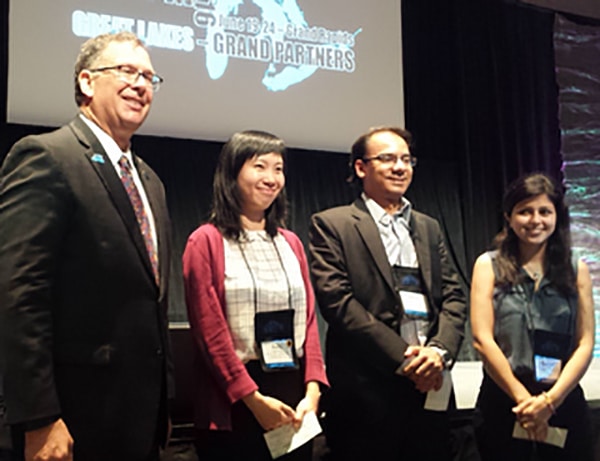
2016
1st Place:
Large Scale High Resolution Flood Inundation Mapping in Real Time
Adnan Rajib (Purdue University)
2nd Place:
Evaluating Risks of Dam-Reservoir Systems Based on Rare Event Simulation
Qianli Deng (University of Maryland)
3rd Place:
Assessing Sediment Accumulation in Reservoirs Behind Dams in the Lake Erie Watershed from Past to Present
Fatemeh Alighalenbabakhani (Wayne State University)
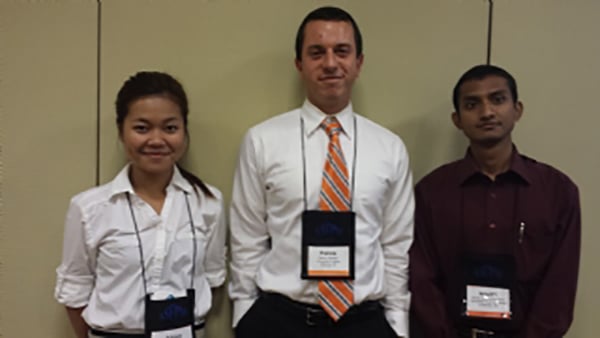
2015
1st Place:
Developing Flood Loss Curve for City of Sacramento
Md Nowfel Mahmud Bhuyian (Tennessee Tech)
2nd Place:
Salmon Refuge: The Endangered Species Act and FEMA’s NFIP
Patrick Johnson (University of Idaho)
3rd Place:
Mitigating Calgary, Alberta’s Vulnerability to Flooding
Adnya Sarasmita (University of Washington)
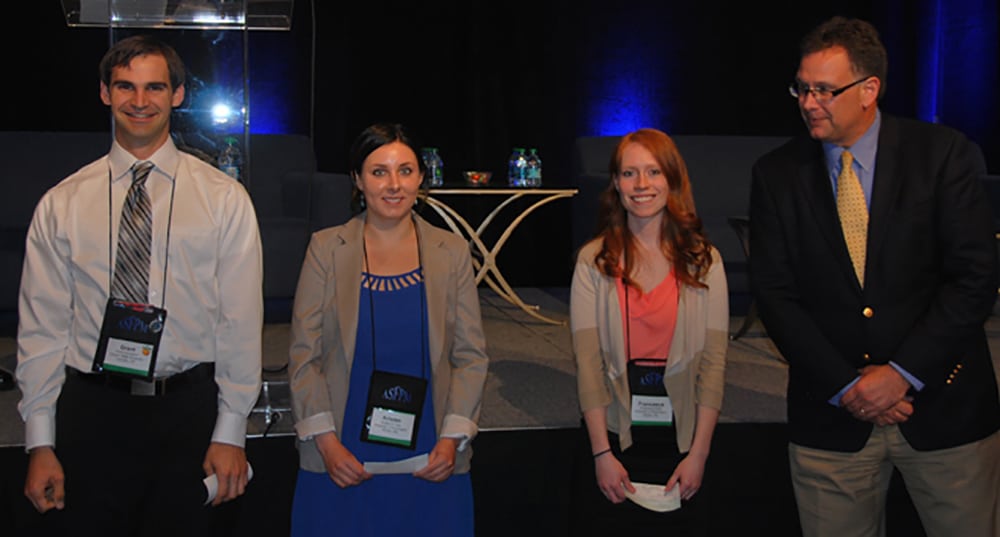
2014
1st Place:
Bioretention Research and Demonstration Project
Grant Livingston (Oregon State University)
2nd Place:
Preventing Flood Damage to Businesses in Historic Downtown Snoqualmie, WA
Kristen Vitro (University of Washington)
3rd Place:
Mitigating Total Flood Impacts through Intentional Flooding in Agricultural Land along the Lower Nooksack River
Francesca White (University of Washington)
2012
Winner:
Risk Analysis and Damage Assessment for Flood Prone Areas in Washington DC
Arian Lessani
Winner:
Historic Levees and Cultural Resource Management in South Jersey
Jesse Lattig & Marshall Tidwell
2011
Winner:
Uncertainty Analysis in Flood Inundation Mapping
Younghun Jung
Winner:
The Effect of Land-cover Changes on Lag Time in the Banklick Creek Watershed, KY
Katelyn Toebbe
Winner:
Project Safe Haven: Vertical Evacuation Opportunities on the Washington Coast
Jeana C. Wiser